Collection: Skincare
Serums, creams, masks, and cleansers built around the actives that work — collagen, retinol, vitamin C, hyaluronic acid, niacinamide, and bee venom. Curated by Canvia for clear, hydrated, smoother-feeling skin every day.
How to choose skincare that actually suits you
Most routines fail for one of two reasons: too many actives at once, or the wrong texture for the skin type. Start by naming the single thing you most want to change — dryness, dullness, visible dark spots, the look of fine lines, or breakouts — and pick one product that addresses it. Add a second active only once the first has been in the routine for four weeks without irritation.
Texture matters as much as the active itself. Lightweight face serums absorb quickly and suit normal to oily skin. Richer creams and balms slow absorption, which is a genuine advantage if your skin is dry, reactive, or new to a strong active — the emollient base acts as a built-in buffer.
The actives worth knowing
Retinol and retinal are the most researched ingredients for the appearance of fine lines and uneven texture. They also demand the most patience. Our liposomized retinal serum encapsulates the active in a lipid shell, which spreads delivery more evenly and tends to be gentler than raw retinol at a comparable strength. Start two nights a week, not nightly.
Vitamin C is an antioxidant that supports a brighter-looking complexion and helps soften the appearance of dark spots. It is also the least stable common active — it oxidizes with light and air, so opaque packaging and a sensible shelf life matter more than a headline percentage.
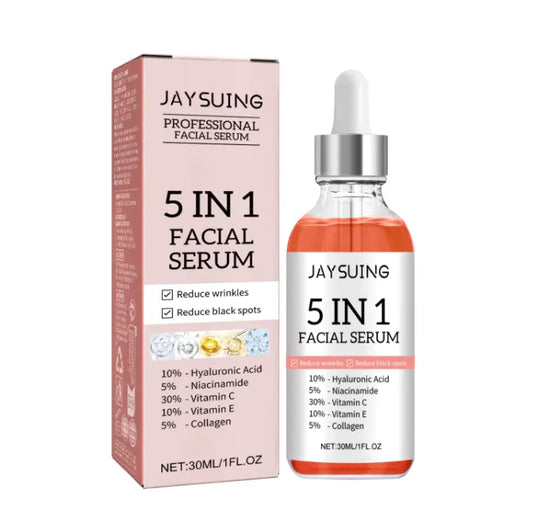
Niacinamide is the most forgiving of the group. It supports the skin barrier, helps calm the look of redness, and pairs comfortably with almost anything else, which makes it a sensible first active for anyone who has reacted badly to acids or retinoids before.
Hyaluronic acid is a humectant — it draws water toward the skin's surface. That only helps if you seal it in. Applied to dry skin in a dry room with nothing layered over it, it can pull moisture from deeper in the skin and leave you tighter than before. Apply to damp skin, then moisturize.
Collagen and peptides sit on the surface and support a smoother, more cushioned appearance. Topical collagen molecules are too large to replace your own, and any brand claiming otherwise is overselling — what they genuinely do is hydrate and improve how skin looks and feels.
Bee venom is used in firming-focused formulas like our bee venom serum stick. Anyone with a known bee or wasp allergy should avoid it entirely, and everyone else should patch test first.
Building a routine by skin type
Dry or dehydrated: a non-stripping cleanser, a hydrating serum on damp skin, then a richer occlusive layer such as our tallow and honey facial balm to hold it in overnight.
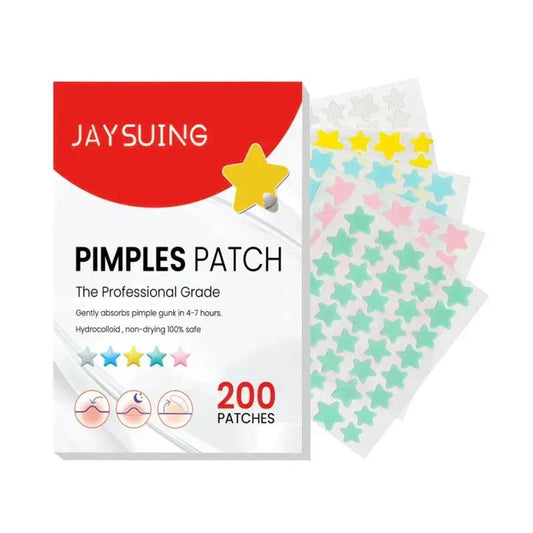
Oily or breakout-prone: a gentle foaming wash, a lightweight niacinamide serum, a gel moisturizer, and targeted treatment only where you need it — see acne care for hydrocolloid patches that shorten the life of an individual blemish without drying the rest of your face.
Sensitive or barrier-compromised: strip back to cleanser and moisturizer for two weeks. No acids, no retinoids, no scrubs. Reintroduce one active at a time.
Concerned with visible ageing: retinal at night, vitamin C in the morning, sunscreen every single day. The sunscreen is not optional — retinoids increase sun sensitivity, and skipping SPF can worsen the pigmentation you are trying to soften.
Where to start if you are starting from nothing
Three steps beat ten. Cleanse, moisturize, and wear SPF in the morning. That alone outperforms an elaborate routine used inconsistently. Once it is habit, add one treatment step — usually a serum — and give it a full month before judging. Our three-step routine guide walks through it, and the correct application order matters more than most people expect.
Prefer to skip the decision entirely? The bundles and kits pair products that are designed to be layered together.
Frequently asked questions
In what order should I apply skincare?
Thinnest to thickest. Cleanser, toner or essence, serum, eye cream, moisturizer, then sunscreen in the morning. Applying a heavy cream before a lightweight serum leaves the serum sitting on top of an occlusive layer and largely wasted.
Can I use vitamin C and retinol together?
Not in the same application. Use vitamin C in the morning and retinol at night. Layered together they are more likely to irritate, and the pH each prefers is different enough that you get less from both.
How long before I see a difference?
Hydration is visible within days. Brightening and the appearance of dark spots take roughly 8 to 12 weeks. Texture and fine lines with a retinoid take 12 weeks or more of consistent use. Anything promising results in a week is describing hydration, not change.
Do I need to patch test?
Yes, particularly with bee venom, strong retinoids, and acids. Apply a small amount to the inner forearm or behind the ear and wait 48 hours before putting it on your face.
Does Canvia ship across Canada?
Yes. We are Canadian-owned and based in Quebec, with CAD pricing and free shipping on orders over $35 — no surprise cross-border duties on arrival.
Is more expensive skincare better?
Not reliably. Formulation, concentration, and packaging that protects the active matter far more than price. A well-formulated niacinamide serum in opaque packaging will outperform a costly vitamin C that has oxidized in a clear bottle.
-
Bee Glow Anti-Wrinkle Face Cream – Firming & Rejuvenating, 100g
Vendor:Eliya SkinRegular price $18.95 CADRegular priceSale price $18.95 CAD -
Bee Venom Peptide Even-Tone Brightening Cream, 20g
Vendor:Eliya SkinRegular price $17.95 CADRegular priceSale price $17.95 CAD