Body creams, massage oils, soothing gels, and wellness essentials. Curated by Canvia for everyday self-care, relaxation, and nourished skin.
Why body skin needs different products than your face
Skin on the body is thicker, has fewer oil glands on the arms and legs, and loses moisture faster in cold, dry air — which is most of a Canadian winter. That is why a facial moisturizer rarely does enough below the neck. Body formulas are built with heavier emollients and occlusives that stay put and hold water in for longer.
The two places people most often under-treat are the shins and the heels. Both have very little natural oil, and both respond quickly once you switch to something richer than a standard lotion.
Choosing by what you actually want
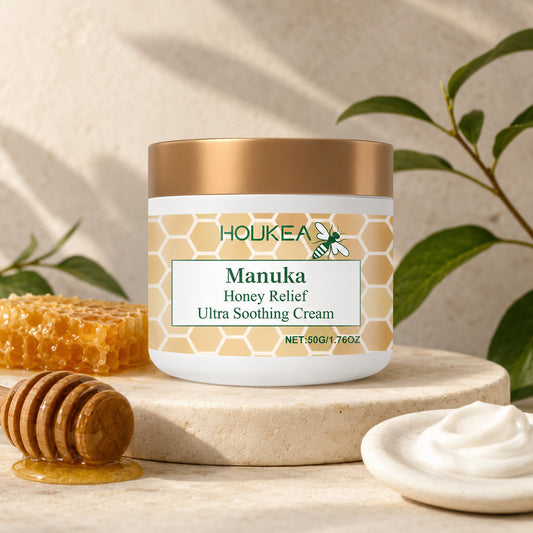
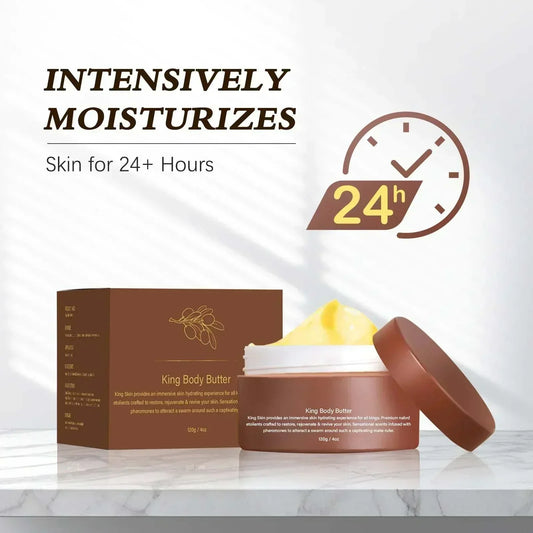
Everyday dryness. Look for a cream with a genuine occlusive layer — shea, tallow, or a butter base. Apply within three minutes of stepping out of the shower, while skin is still damp. That single timing change does more than upgrading the product.
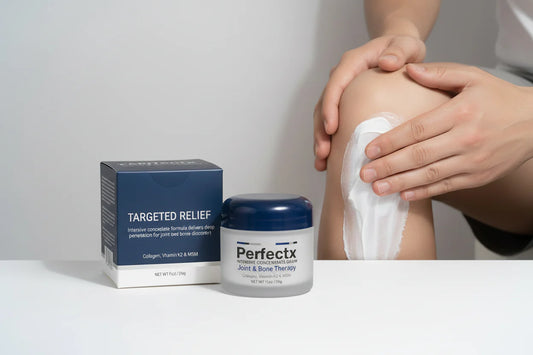
Tired or aching muscles. Warming massage creams create a comfortable heating sensation that helps the massage itself feel more effective. Our bee venom and turmeric warming cream is the fuller-size option; the 30g warming cream suits targeted use. Both are cosmetic comfort products, not medical treatments — and anyone with a bee or wasp allergy should avoid bee venom formulas entirely.
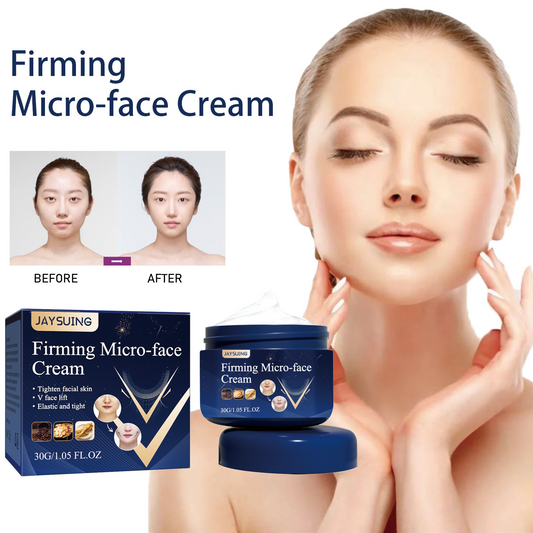
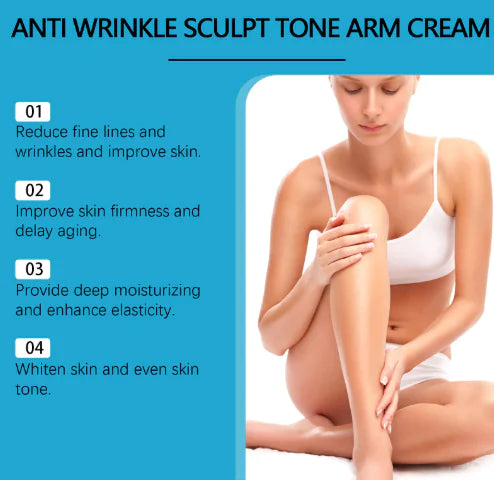
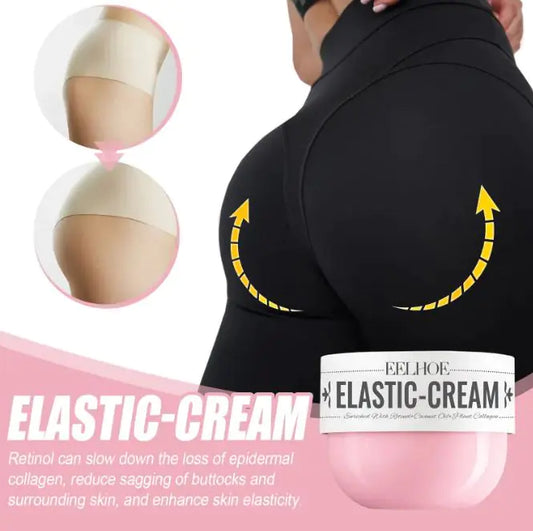
Firmer-looking skin. Collagen and caffeine-based body oils support a smoother, more toned appearance. They hydrate and improve how skin looks and feels; they do not change body composition, and any product claiming otherwise is overselling.
Rough patches, heels and elbows. Urea-based foot creams soften hardened skin far more effectively than a general body lotion. See personal care for foot and hand-specific formulas.
Getting more from what you already own
Most body products underperform for the same three reasons: applied to fully dry skin, applied too sparingly, and applied only when skin already feels tight. Moisturize while damp, use more than feels necessary on shins and heels, and treat it as maintenance rather than rescue.
For overnight repair on very dry areas, apply a rich balm such as our tallow and honey balm and cover with socks or long sleeves. Occlusion overnight makes a visible difference within a few days.
Pair body care with the right facial skincare so your routine is consistent from head to toe, or browse bundles and kits for products designed to layer together.
Frequently asked questions
When is the best time to apply body moisturizer?
Within about three minutes of showering, while skin is still damp. Damp skin gives the humectants something to hold on to and the occlusives something to seal in. Applying to bone-dry skin is the single most common reason a good cream seems to do nothing.
Can I use my face moisturizer on my body?
You can, but it is usually an expensive way to under-moisturize. Body skin is thicker and needs richer, heavier formulas. Reserve facial products for your face and use dedicated body creams below the neck.
Are warming massage creams safe for everyone?
They are cosmetic comfort products, not medication. Avoid broken or irritated skin, keep them away from the eyes, and patch test first. Anyone with a known bee or wasp allergy should avoid bee venom formulas completely.
What actually helps cracked heels?
Urea-based foot creams. Urea both hydrates and gently softens thickened skin, which a standard body lotion will not do. Apply at night and cover with socks.
Do firming body oils really work?
They improve the look and feel of skin — smoother texture, better hydration, a more toned appearance. They do not alter body composition. Treat the visible improvement as the honest benefit.